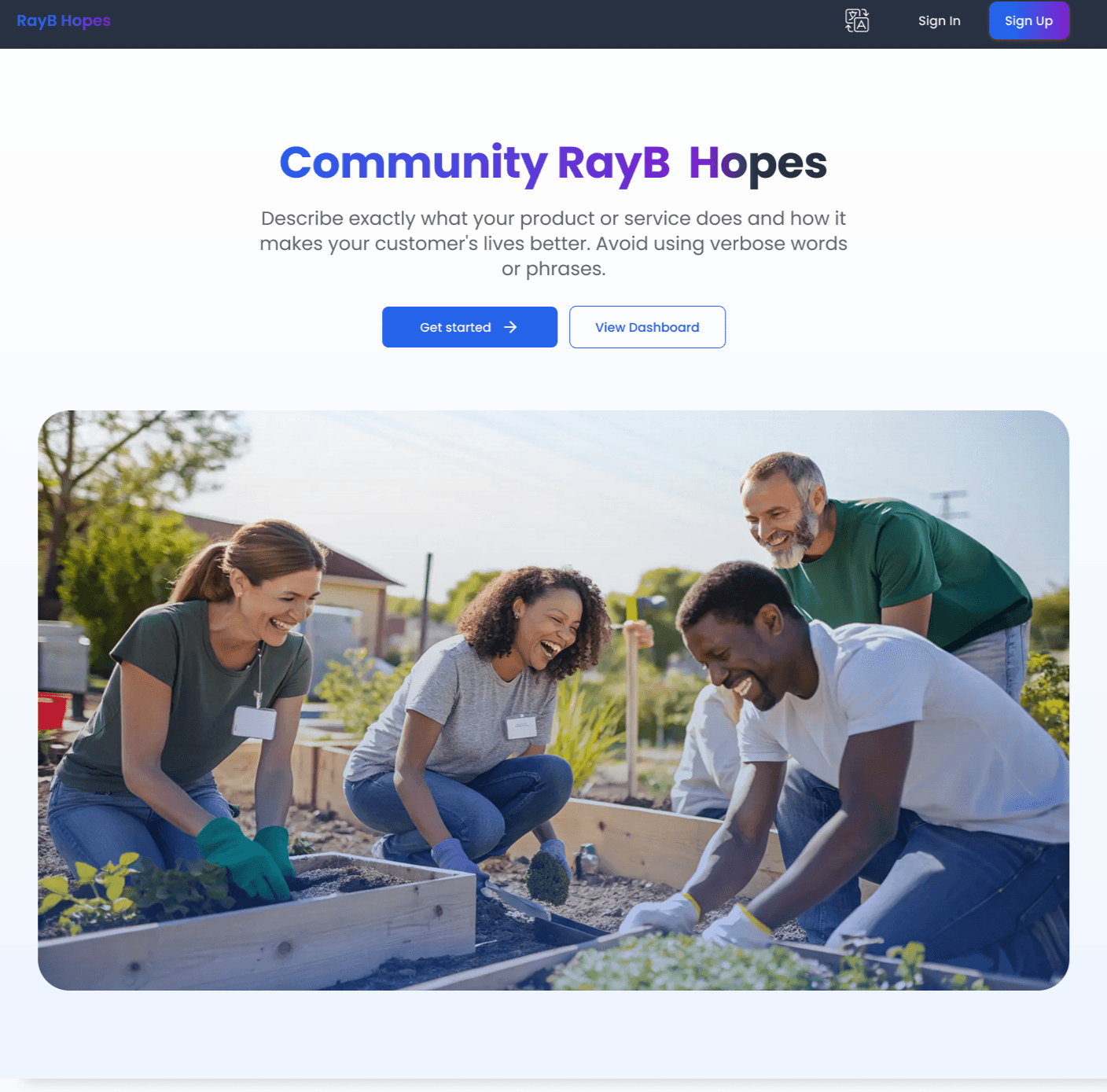
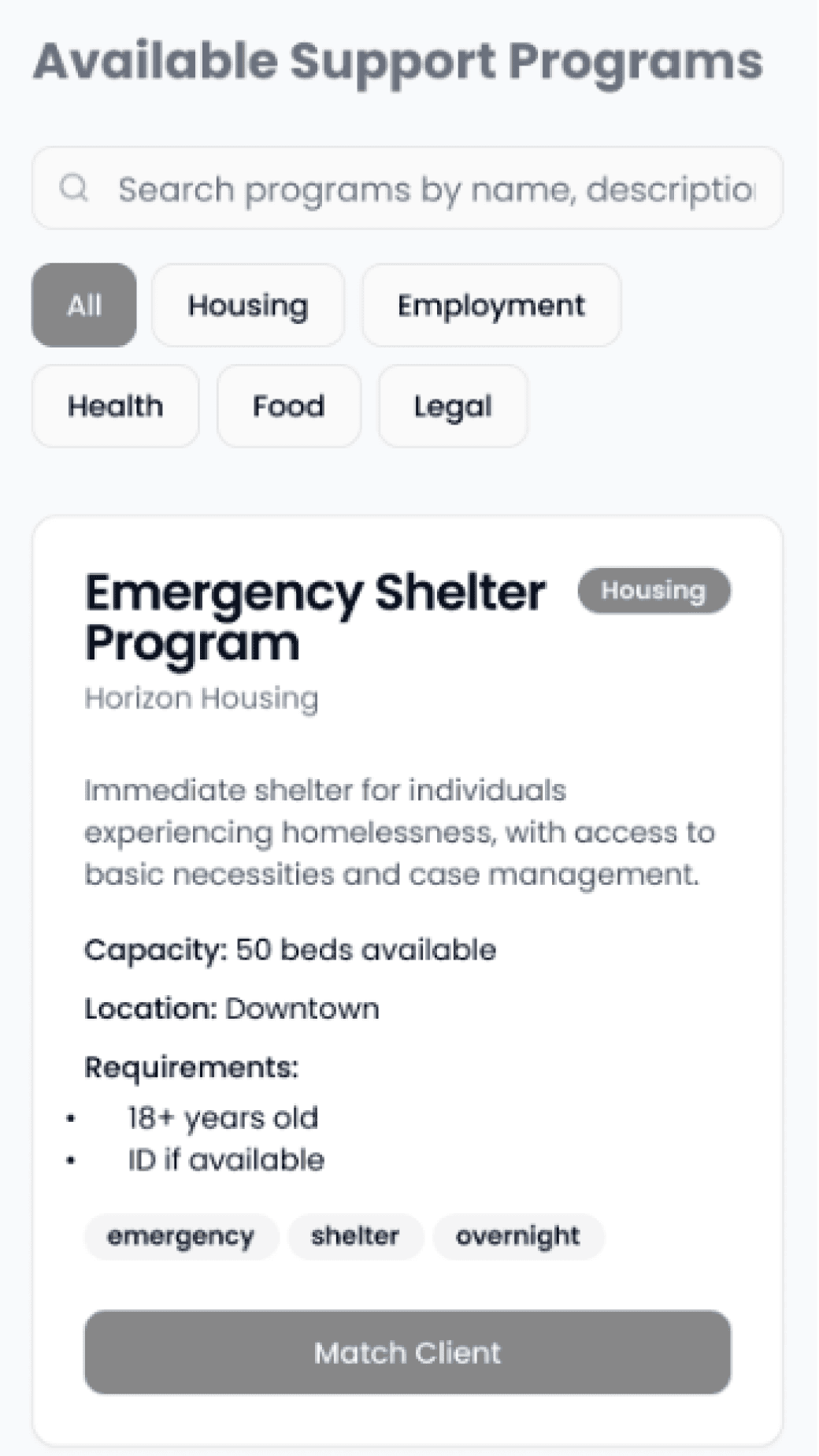
The Homeless Rehabilitation Management System (HRMS) was envisioned as a city-level digital infrastructure connecting policy makers, NGOs, CBOs, and case workers under one ecosystem.
Competitor Analysis
6+ competitors Audited
User Interviews
20 Participants
Usability Tests
4+ Iterations
Key User Needs
Education
“Process of gathering and verifying user provided data from any 3rd party providers ?”
"How do NGO’s handle records ?”
“Common set of basic data that we may get by integrating third party data providers”?
Simplicity
"How do these users get informed at the grassroot levels."
Who might be the users of this system?
Trust
“Are we talking different admin access rights enabled?
“Amount spent on security deposit Case management provided?”
Routine
Reminder notification required?
“Immediate checks on the duplication of records?”

1
2
Adaptive, Inclusive UX
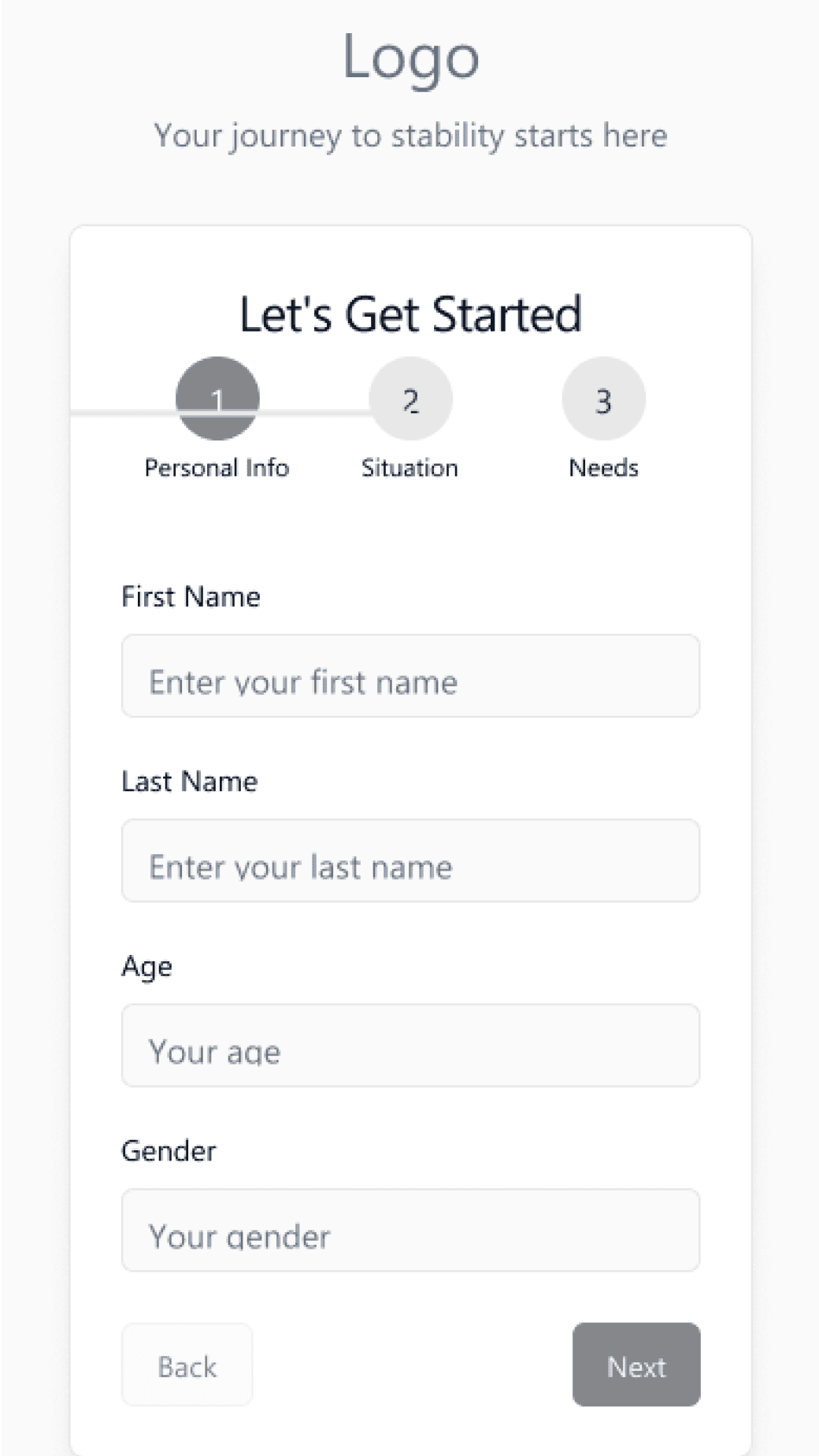
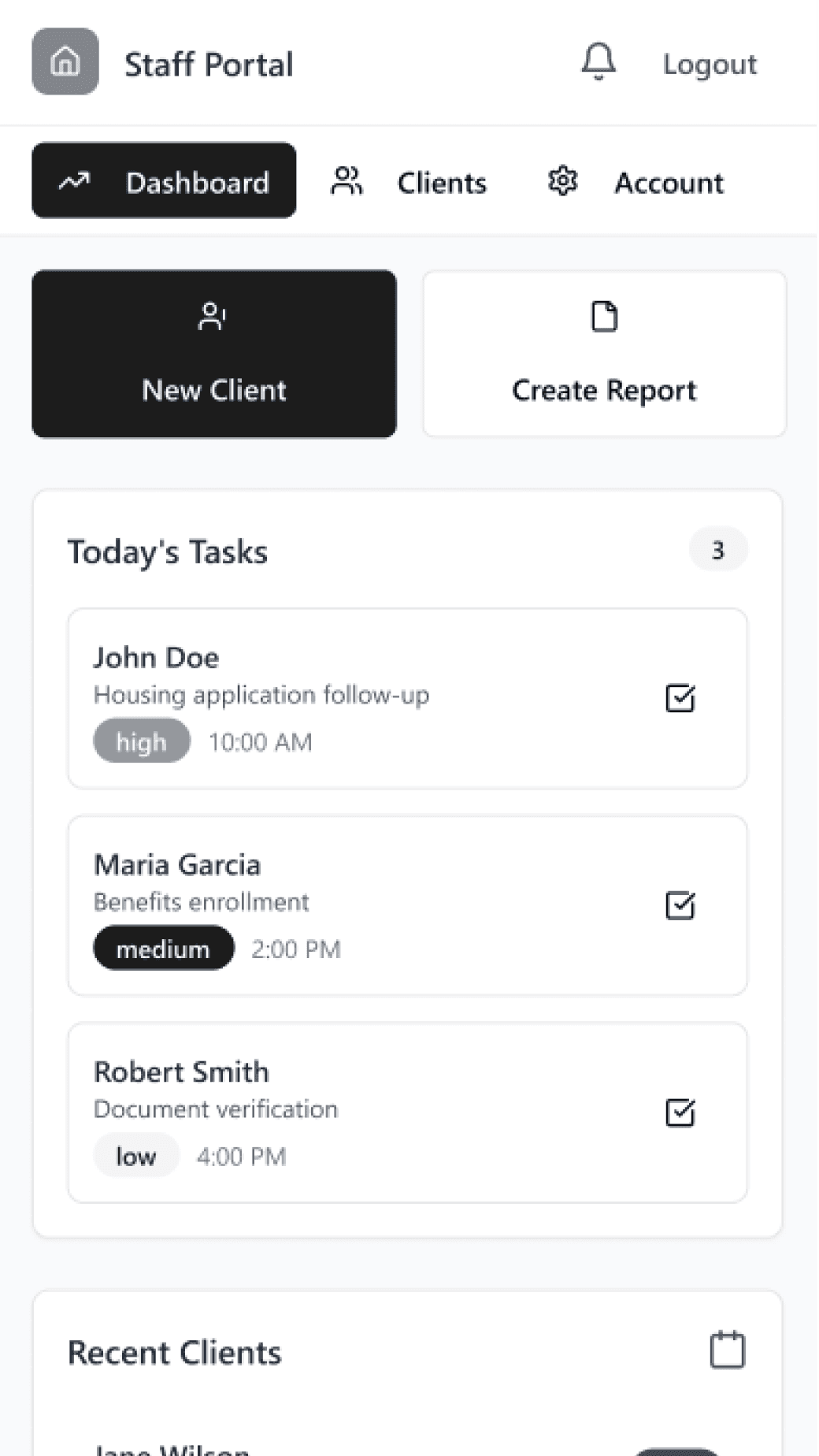
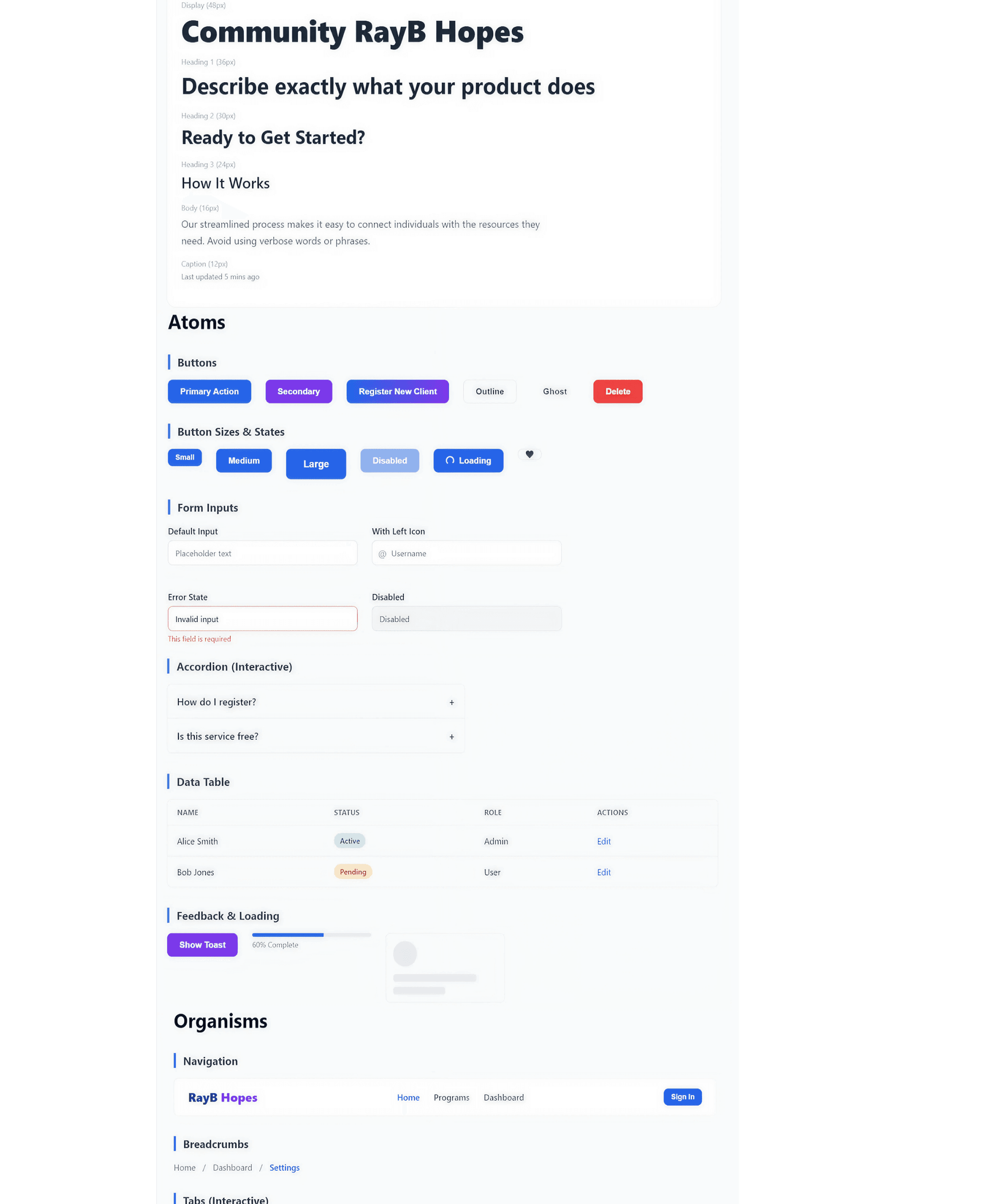
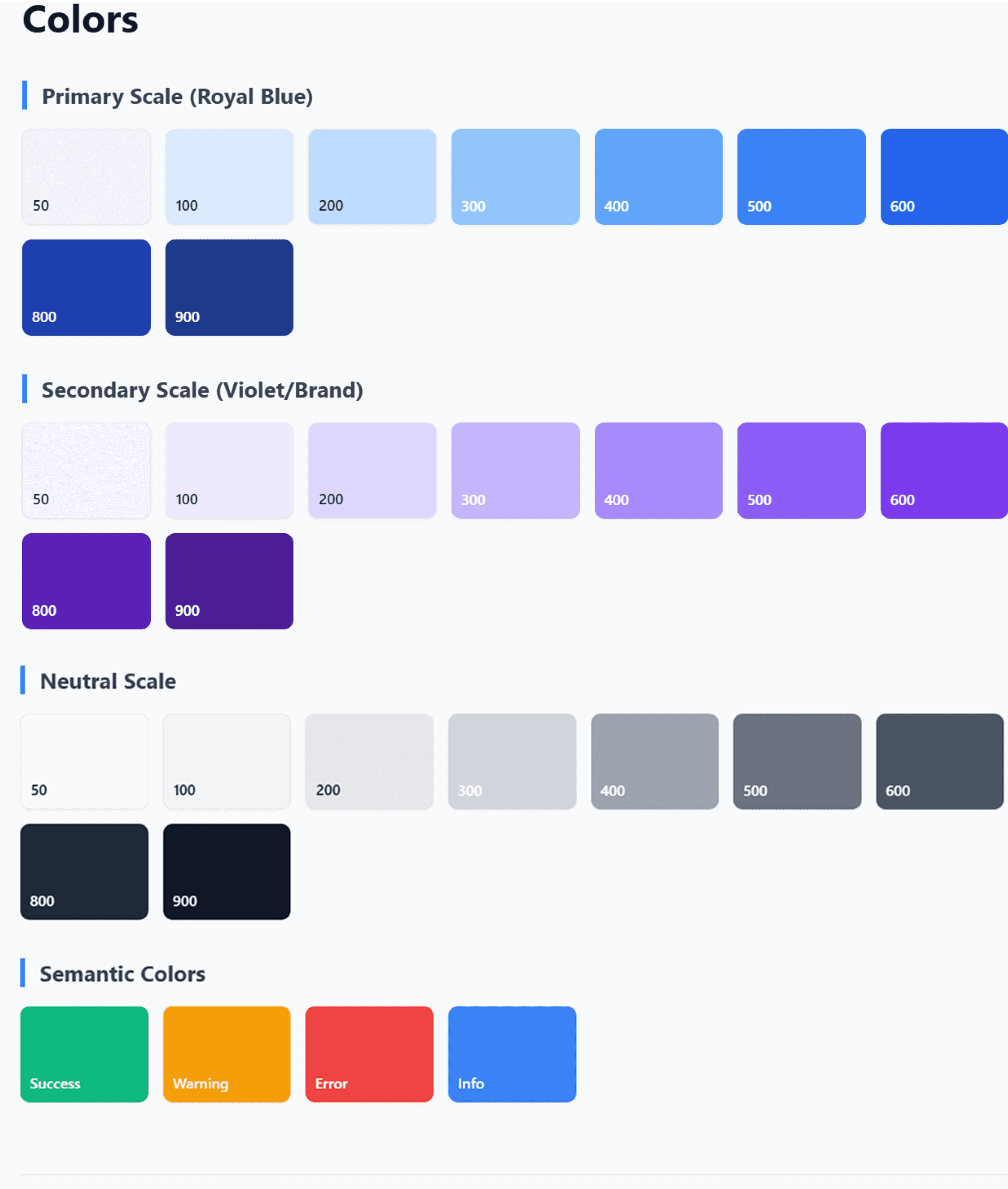
Built guided, linear flows with icons, smart defaults, and minimal text for users with varied digital literacy also facilitating translations for language constraints — enabling faster, error-free inputs.
Offline-First Experience
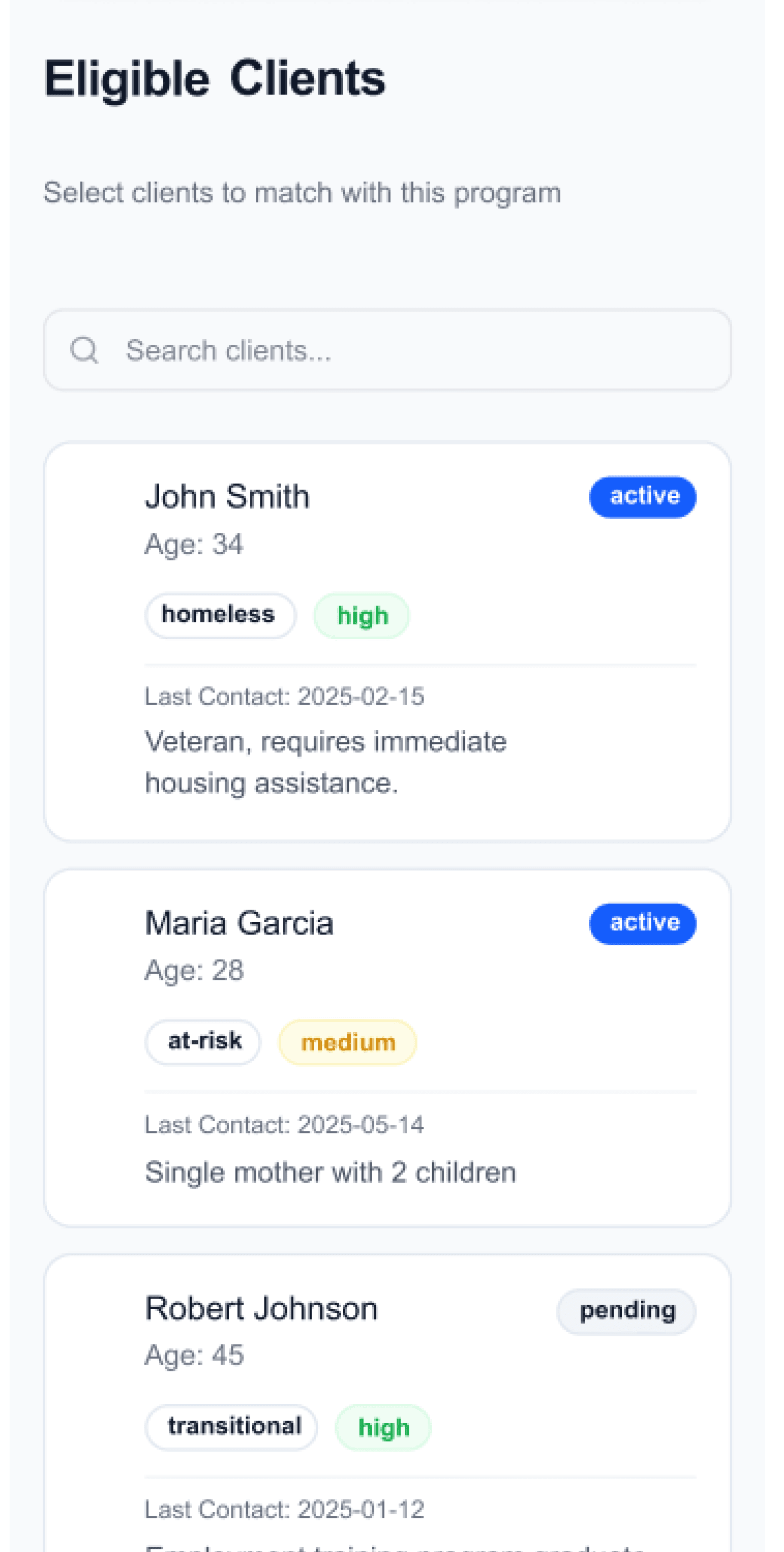
Enabled data entry without internet, with automatic sync when online — ensuring reliability for field workers and boosting system adoption.
3